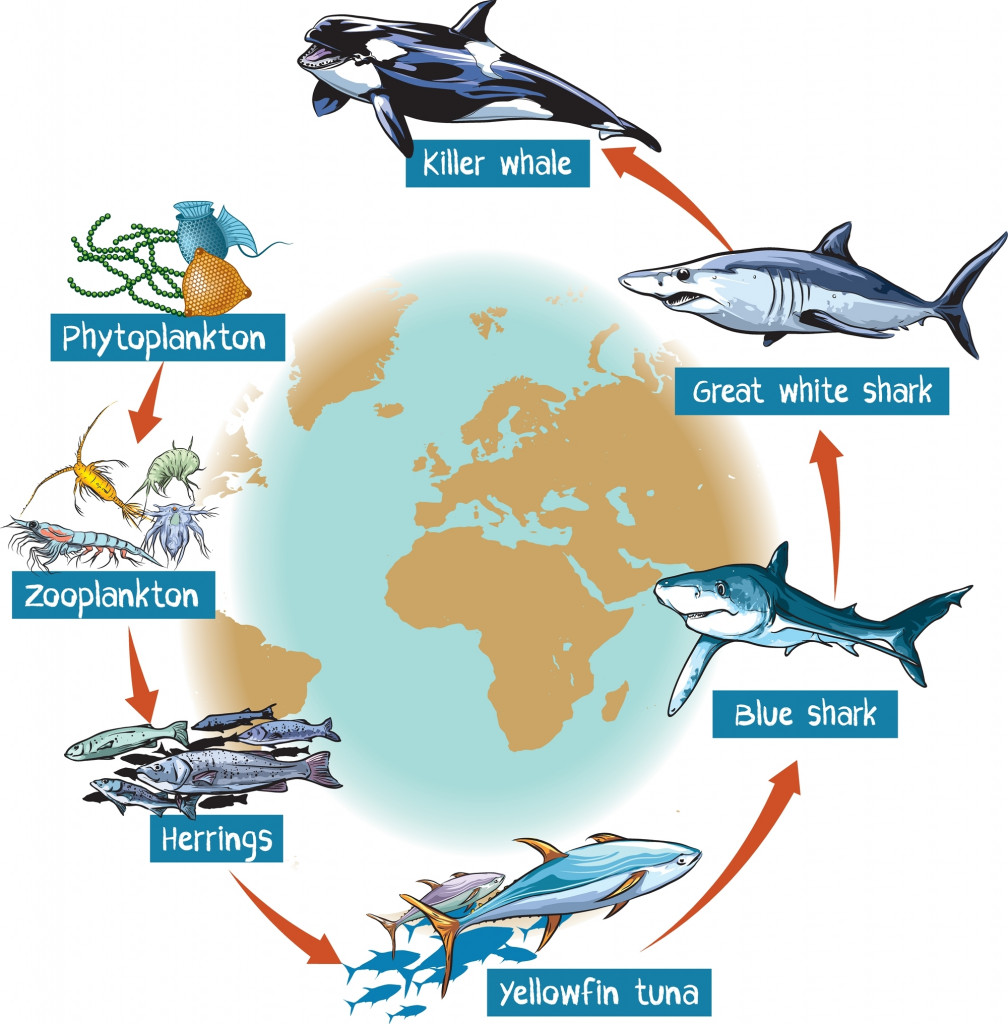
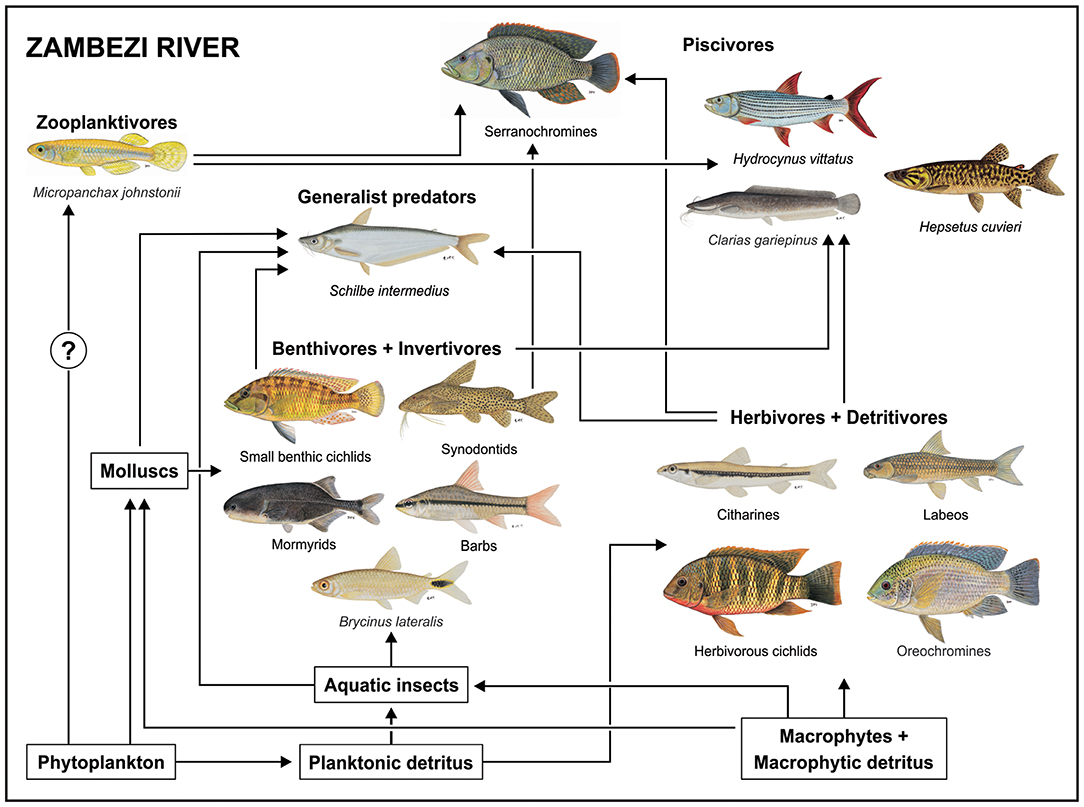
News ppt download Biology Diagrams Great Lakes Food Web Diagrams. GLERL has developed food web diagrams for all of the Great Lakes and Lake St. Clair. The major species in each lake are briefly described, along with a diagram summarizing the ecosystem energy flow (who eats or is eaten by whom!). These diagrams are based on a model from a paper published in 2003 supported by both Aquatic food webs show how plants and animals are connected through feeding relationships. Tiny plants and algae get eaten by small animals, which in turn are eaten by larger animals, like fish and birds. Humans consume plants and animals from across the aquatic food web. Understanding these dynamic predator-prey relationships is key to supporting fish populations and maintain

Bacteria and fungi are the main decomposers in a lake ecosystem. They recycle vital elements, ensuring the continuation of the food web. The Lake Food Web: A Deeper Look. The food web in a lake is a particularly complex and dynamic system. It is sensitive to changes in water quality, nutrient levels, and other environmental factors.
National Oceanic and Atmospheric Administration Biology Diagrams
All organisms in those food chains are influenced by non-living (abiotic) factors and living (biotic) factors in their environment. Abiotic conditions (e.g., temperature, pH, clarity, dissolved oxygen, nutrients, etc.) and biotic conditions (e.g., predation, disease, etc.) of the lake impact organisms in the food chain and help to provide a
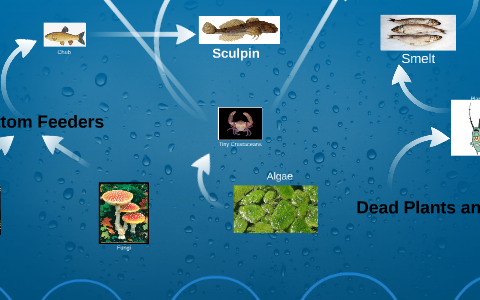
They can be carnivores or omnivores. Top predators typically sit atop the food chain without predators of their own. Examples include fish such as lake trout, walleye, pike and bass, birds such as herons, gulls and red tailed hawks, bears—and humans! Food Webs In reality, many different food chains interact to form complex food webs.
The Food Web - Water on the Web Biology Diagrams
The reason biologists use the term "food web" now instead of "food chain" is because it is a better way to visualize that everything is interrelated in a lake. At the top of the food web are the piscivorous fish, or the predatory fish that eat other fish. This group can also include animals that live outside of the lake but eat fish
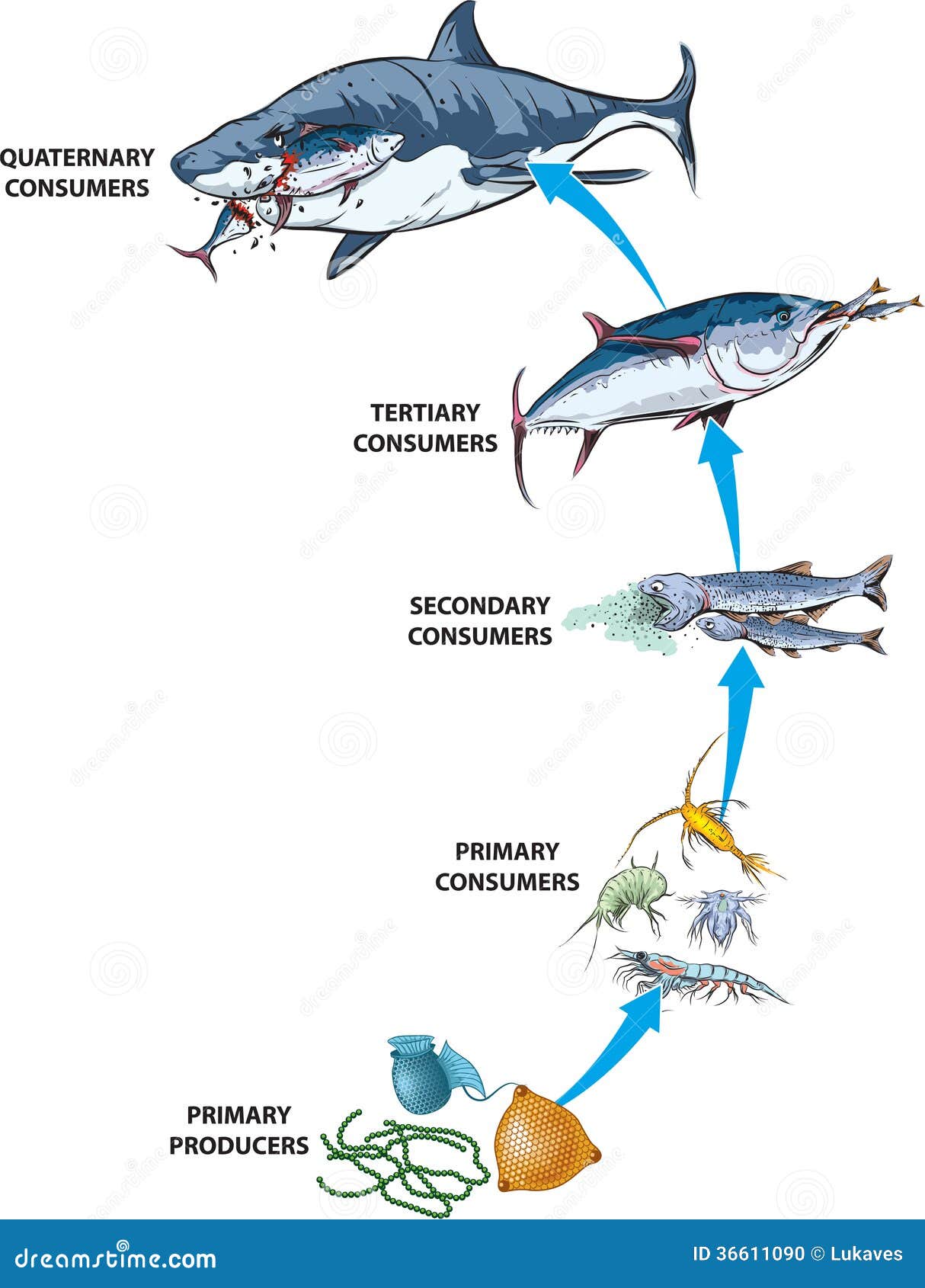
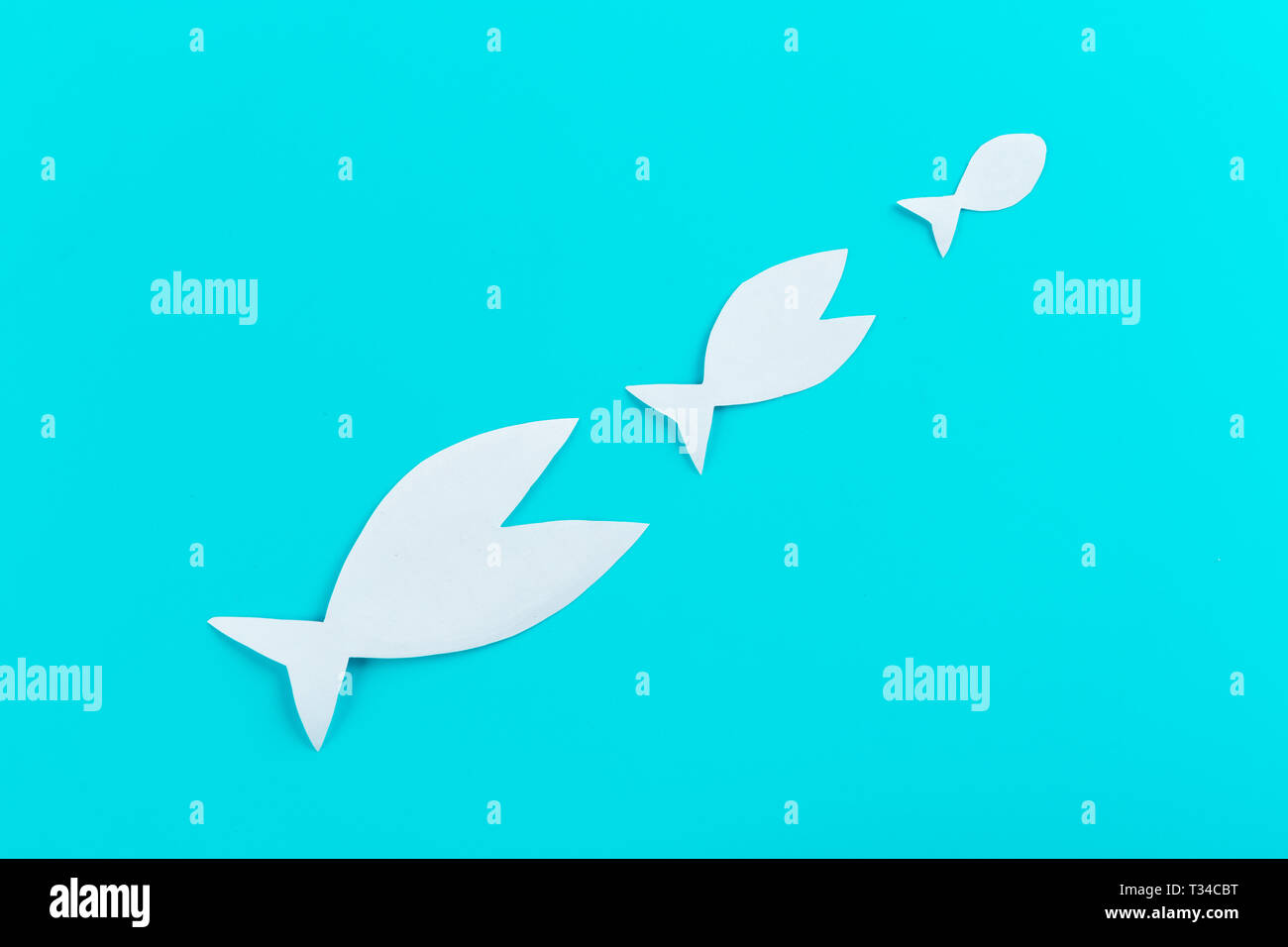
This link in the food chain typically involves zooplankton grazing on algae but also includes larval fish eating zooplankton and a variety of invertebrates that eat attached algae and higher plants. Other animals, such as small fish, secondary consumers (third trophic level) eat the primary consumers and thus are considered secondary consumers. While the complexity of food webs often varies from lake to lake, there are a few elements in the food web for lakes and reservoirs that begin with simple, single celled organisms all the way up to the apex predator. Last in the aquatic food chain are the piscivorous, or "fish eating" fish. In our local lakes, these include the adult